

Introduction
Electric fireplaces have become increasingly popular as a modern, stylish, and convenient alternative to traditional fireplaces. But one question that often arises is whether these electric versions actually give off heat.
In this article, we'll explore everything you need to know about electric fireplaces, from how they work to their efficiency and benefits, helping you determine if an electric fireplace is the right choice for your home.
What is an Electric Fireplace?
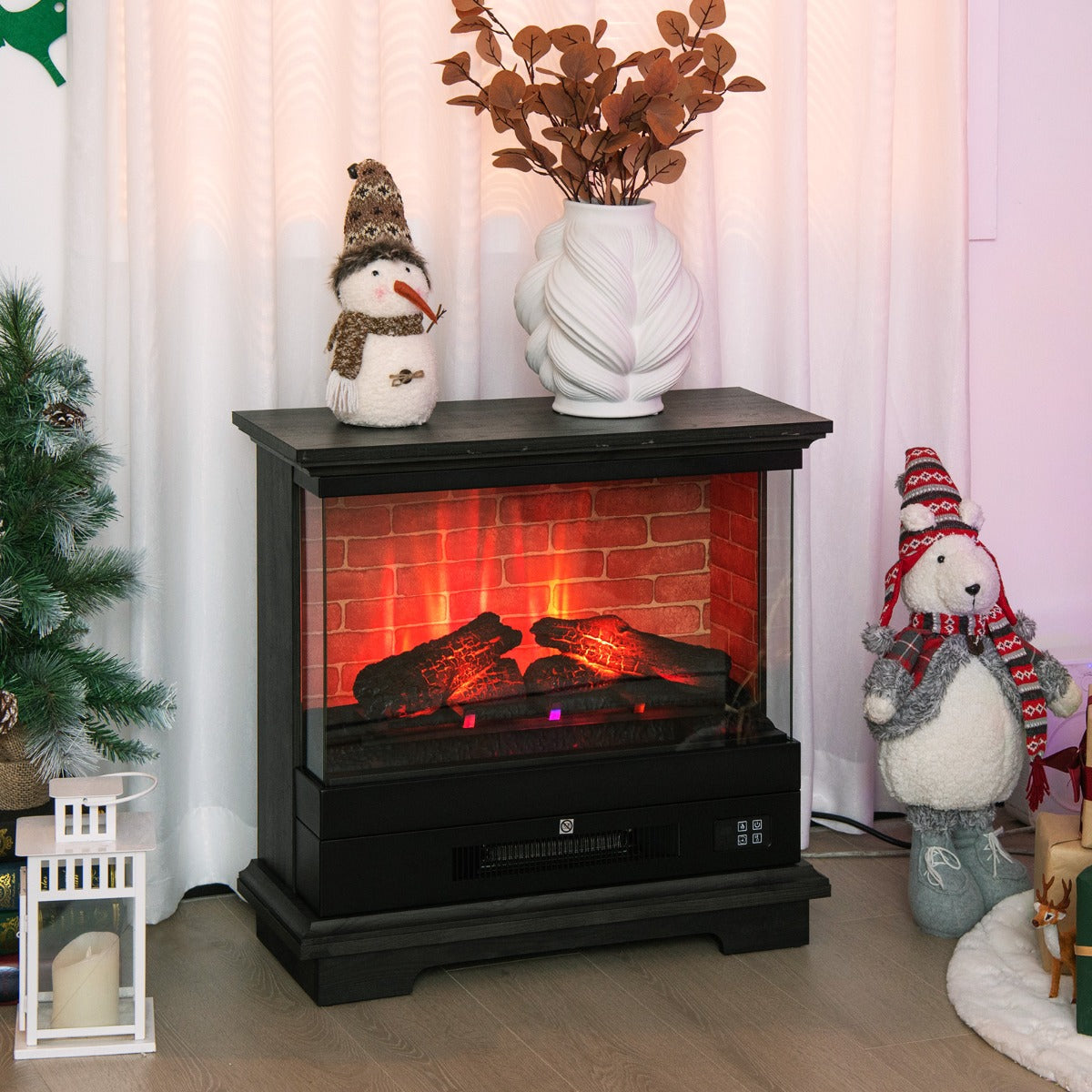
An electric fireplace is a heating appliance designed to replicate the look of a conventional fireplace, but it doesn't require wood or gas to function. These fireplaces are typically powered by electricity and use LED lights and mirrors to create a realistic flame effect. There are various types of electric fireplaces, including wall-mounted units, freestanding models, and inserts that fit into existing fireplace spaces.
How Do Electric Fireplaces Work?
Electric fireplaces operate using a combination of heating elements and visual effects. The realistic flame effect is usually created by LED lights and a rotating reflector that simulates the flickering of flames. Heat is generated by an internal heating element, which can be a fan-forced heater or an infrared heater. This heat is then dispersed into the room using a fan.
Do Electric Fireplaces Produce Heat?
Yes, electric fireplaces do produce heat. They are designed to provide supplementary heating to a room, making them ideal for adding warmth to specific areas of your home. However, it's important to understand that while they can heat a room, they are not typically intended to be the primary source of heat for an entire house.
Types of Heat Output
Fan-Forced Heaters
Most electric fireplaces use a fan-forced heater, which includes a heating element and a fan to blow warm air into the room. This type of heater is effective for smaller spaces and provides a gentle, consistent heat.
Infrared Heaters
Some electric fireplaces feature infrared heaters, which use infrared light to heat objects and people directly, rather than just the air. This method of heating can be more efficient and is particularly useful in larger spaces.
Efficiency of Electric Fireplaces
Typically, electric fireplaces are more energy-efficient compared to traditional wood-burning or gas fireplaces.They transform nearly all the electricity consumed into heat, resulting in minimal energy wastage. Additionally, because they don’t require venting, all the heat produced stays in the room, further enhancing their efficiency.
Heat Settings and Controls
Modern electric fireplaces come with a variety of heat settings and controls, allowing you to adjust the temperature to your liking. Many models include adjustable thermostats, remote controls, and even smart home integration, making it easy to manage the heat output and enjoy optimal comfort.
Benefits of Electric Fireplaces
Safety Features
Electric fireplaces are considered safer than traditional fireplaces because they don’t involve open flames or combustible materials. Many models come with safety features such as overheat protection and cool-touch exteriors, reducing the risk of burns and fires.
Environmental Impact
Electric fireplaces are more environmentally friendly than wood-burning or gas fireplaces. They don’t produce harmful emissions or require the burning of fossil fuels, making them a cleaner choice for heating your home.
Cost-Effectiveness
Electric fireplaces are typically more cost-effective to install and maintain than traditional fireplaces. They don’t require a chimney or venting, which can save on installation costs. Additionally, their energy-efficient operation can help reduce heating bills.
Drawbacks of Electric Fireplaces
Limitations in Heating Capacity
While electric fireplaces are effective at heating small to medium-sized rooms, they may not be sufficient as the sole heating source for larger spaces or entire homes. They are most effective when used as an additional source of heating.
Dependence on Electricity
Electric fireplaces require a constant power supply to operate, which means they won’t work during a power outage. This dependence on electricity can be a drawback in areas prone to power interruptions.
Comparing Electric Fireplaces to Other Heating Solutions
Traditional Wood-Burning Fireplaces
Wood-burning fireplaces offer a classic aesthetic and the cosy ambiance of real flames and crackling logs. However, they require more maintenance, produce emissions, and are less efficient in terms of heat output compared to electric fireplaces.
Gas Fireplaces
Gas fireplaces provide a good balance between efficiency and ambiance. They offer real flames and higher heat output than electric fireplaces but still require venting and can be more expensive to install and maintain.
Space Heaters
Space heaters are portable and can provide targeted heat, but they lack the visual appeal and ambiance of an electric fireplace. Additionally, they may not distribute heat as evenly or efficiently.
Ideal Uses for Electric Fireplaces
Electric fireplaces are perfect for adding warmth and ambiance to living rooms, bedrooms, and even offices. They are particularly useful in apartments, condos, and homes without a chimney or venting system. Electric fireplaces are also great for seasonal use, providing additional heat during colder months without the hassle of a traditional fireplace.
Installation and Maintenance
One of the greatest advantages of electric fireplaces is their ease of installation.
Most models can be set up without the need for professional installation, and there is no need for venting or chimneys. Maintenance is minimal, typically involving only occasional cleaning of the exterior and checking the electrical components.
Common Myths About Electric Fireplaces
Debunking Misconceptions
There are several misconceptions about electric fireplaces, such as the belief that they don’t produce any heat or that they are expensive to operate. In reality, electric fireplaces do produce heat, and their energy-efficient operation can make them a cost-effective heating solution.
Addressing Common Concerns
Concerns about safety and efficiency are common when it comes to electric fireplaces. However, modern electric fireplaces are designed with numerous safety features and are highly efficient, making them a reliable choice for home heating.
Selecting the Right Electric Fireplace for Your Home
When selecting an electric fireplace, consider factors such as the size of the room, the desired heat output, and the style of the unit. Popular brands like Dimplex, Touchstone, and Duraflame offer a variety of models to suit different needs and preferences.
Transform your living space with the timeless elegance of our fireplace collection. Discover warmth, style, and sophistication in every piece. Explore our range today and find the perfect centrepiece for your home.

Conclusion
Electric fireplaces are a versatile, efficient, and stylish way to add warmth and ambiance to your home.
They offer numerous benefits, including safety, cost-effectiveness, and ease of installation, making them an excellent choice for supplementary heating.
Whether you're looking to enhance your living room, bedroom, or office, an electric fireplace can provide the comfort and aesthetic appeal you desire.
FAQs
Can electric fireplaces heat a room?
Yes, electric fireplaces can effectively heat a room. They are designed to provide supplementary heating and can warm up small to medium-sized spaces efficiently.
Are electric fireplaces expensive to run?
Electric fireplaces are generally cost-effective to run. They are energy-efficient, converting most of the electricity they use into heat, which can help keep operating costs low.
Do electric fireplaces need venting?
No, electric fireplaces do not require venting. This makes them easier to install and more versatile in terms of placement within your home.
How safe are electric fireplaces?
Electric fireplaces are very safe. They don't produce open flames or harmful emissions, and many models come with built-in safety features like overheat protection and cool-touch exteriors.
Can electric fireplaces be used year-round?
Yes, electric fireplaces can be used year-round. Many models allow you to enjoy the flame effect without the heat, providing ambiance even during warmer months.